Ulrike Göpel – Specialist in Orthopaedic Surgery and Traumatology


Ulrike Göpel – Specialist in Orthopaedic Surgery and Traumatology
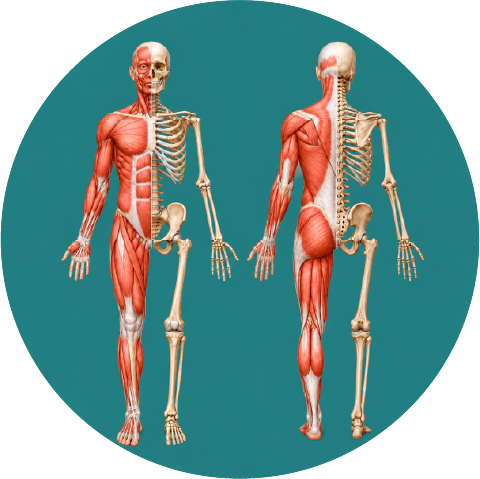
The musculoskeletal system encompasses bones, joints, muscles, tendons and ligaments, and can be affected by a variety of conditions at any age. From acute fractures to sports injuries in young athletes and degenerative joint arthritis in older patients — the spectrum covers all acute and chronic musculoskeletal conditions in patients of all ages.
Treatment is centred on comprehensive diagnosis through physical examination and modern imaging techniques such as X-ray, ultrasound, CT and MRI. On this basis, an individual treatment plan is drawn up, covering both acute and conservative measures
such as acute and chronic pain treatment physiotherapy, manual therapy and acupuncture — as well as regenerative cartilage therapies and surgical planning.
The aim is to relieve pain, restore mobility and lastingly improve the quality of life of patients, regardless of age or condition.
Acute bone fractures, tendon and muscle injuries
As participation in sport increases across all age groups, bone fractures and soft tissue injuries of the musculoskeletal system—in particular tendon and muscle injuries—are receiving growing attention within sports orthopaedics.
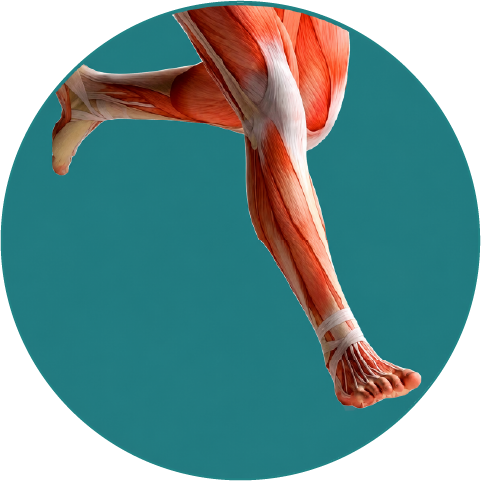
Muscles attach to bones via tendons and are therefore essential for force transmission and movement. Injuries to this muscle-tendon complex frequently arise from incorrect or excessive loading, sudden trauma, or degenerative changes.
Articular cartilage can be damaged by a single injury, by strain accumulated over time, or through a progressive degenerative process. Unlike other tissues, cartilage has a very limited capacity for self-regeneration. For this reason, specific regenerative techniques exist to help restore joint function and reduce pain.
What causes it, how it is detected and how it is treated today: Osteoarthritis is a degenerative joint disease caused primarily by wear and tear accumulated over time. In addition to previous injuries to the cartilage, menisci or ligaments, certain leg misalignments, such as knock knees (valgus) or bow legs (varus), can accelerate its onset.
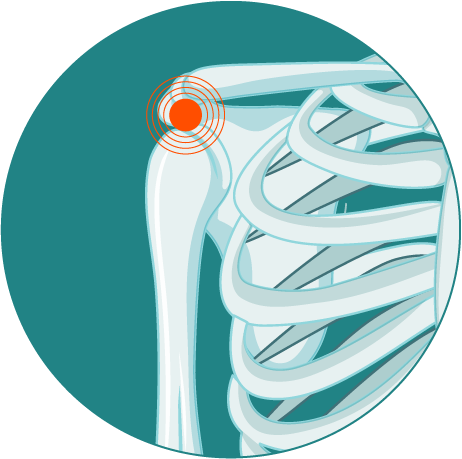
Shoulder pain is very common and can have a wide range of causes. A thorough clinical assessment, supported by imaging techniques such as X-ray, MRI or CT, is the starting point for a precise diagnosis. The most appropriate treatment is then determined on this basis.
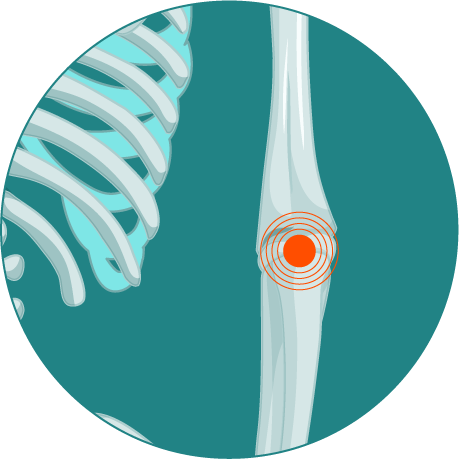
Elbow pain can arise for many reasons: excessive strain at work or during sport, rheumatic conditions, or sudden injuries. To select the most appropriate treatment, a detailed clinical assessment together with imaging such as X-ray or MRI is essential. Treatment is tailored individually to each case.
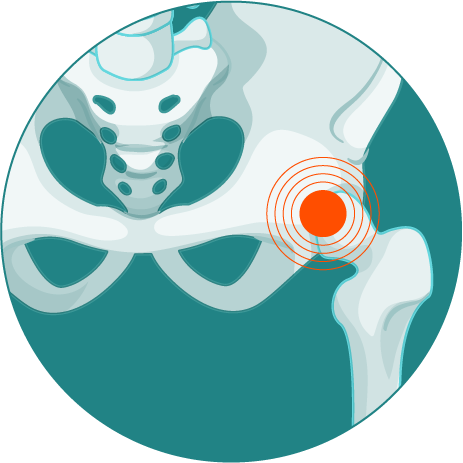
Before replacing a joint, every effort is made to preserve it, as joint preservation always remains the best option. When examinations show that hip or knee replacement is not necessary, you will be fully advised on the available therapeutic alternatives.
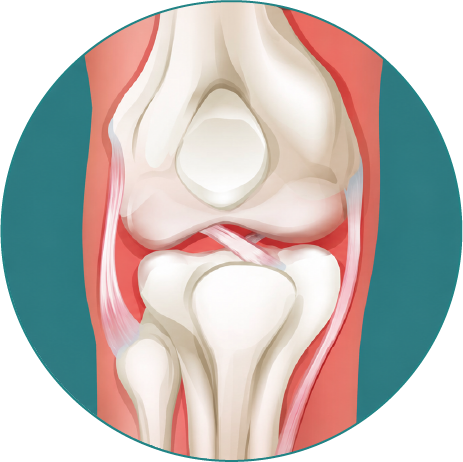
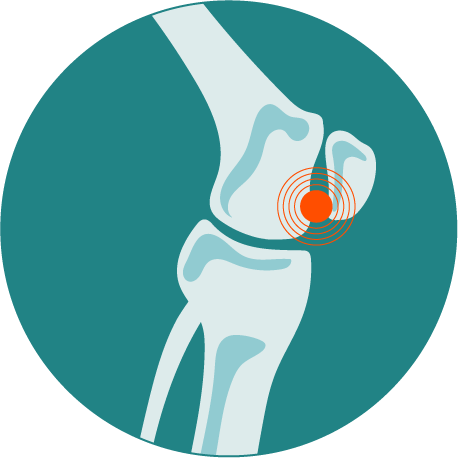
The knee joint is a complex interplay of bones, cartilage, menisci, ligaments, tendons, and muscles. Changes in any of these structures can lead to instability and/or pain.
Sports-related knee injuries can arise both from accidents (traumatic) and from prolonged overuse (chronic). Traumatic injuries typically affect ligaments (e.g., cruciate ligament rupture) and menisci (e.g., meniscal tear). Chronic damage mainly affects the cartilage, which can thin through sustained overuse (early joint wear = osteoarthritis).
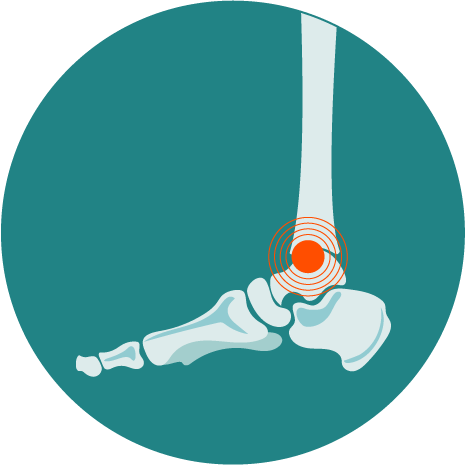
Sports injuries, instabilities, and joint wear. The ankle is one of the most heavily loaded joints in the human body and plays a central role in stability, mobility, and load-bearing capacity in daily life and sport. Sudden twisting movements, falls, or chronic overuse can cause various injuries and conditions of the ankle. The most common are ligament injuries from rolling the ankle, cartilage damage, and degenerative changes.
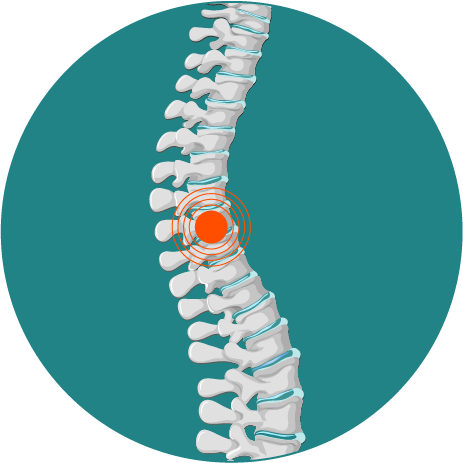
Herniated disc, muscle tension, and lumbago: these are just some of the many problems associated with the spine and back.
The focus is on the diagnosis and treatment of back problems through physical examination, imaging (X-ray/CT/MRI) and manual therapy. An individual treatment plan is essential. In addition to acute treatment (pain relief, infiltrations), conservative measures such as physiotherapy, back school, and targeted training are prioritized, with the aim of restoring spinal function.
Centro Médico Marítimo,.
Camino El Burgado, 1, 38417, Los Realejos,
S/C de Tenerife, Canary Islands
Phone: +34 922 362 828
info@die-orthopaedin.com